
I knew as soon as I saw this title that I had to read this book. I think the books we love as a child become hardwired into our developing brains and help make us who we become. I regularly reread books I loved when young, and I loved sharing those books with my children--sometimes they fell in love too, sometimes not, but revisiting them regularly is an important part of my reading life.
Maybe this love for kids books is genetic. Towards the end of my father's life, as his eyesight started fading and he felt dementia on the horizon, he bought himself beautiful new editions of all his favorite books and reread them one last time--these included Winnie-the-Pooh, The House at Pooh Corner, Alice in Wonderland, The Wind in the Willows, The Stories of Uncle Remus, and all of Beatrix Potter.
Bruce Handy, author of Wild Things: The Joy of Reading Children's Books as an Adult, did a wonderful job balancing his personal nostalgia for specific books with providing context for the books/authors he profiled, the impact they and their beloved characters had on children and the development of children's lit, and short bios of some of the major authors.
Here's the table of contents, which I found to be a good a way of structuring discussion on the topic:
New Eyes, New Ears: Margaret Wise Brown and Goodnight Moon - loved, loved, loved this chapter and I have a whole new appreciation for Goodnight Moon, which I always liked to read to my kids, but now I know why! Mini bio on Brown was excellent--she was an original, took her craft seriously, and worked hard. Also great info on The Very Hungry Caterpillar and The Snowy Day--btw, did you know there are winter stamps from the USPS that feature The Snowy Day. They're going on this year's Xmas cards, for sure!

Runaways: Family Drama in Picture Books--and Well Beyond - Handy compares The Runaway Bunny with Philip Roth's Portnoy's Complaint. The Runaway Bunny was never one of my favorites, but the chapter was interesting nonetheless, especially when Handy brought The Giving Tree into the discussion and especially the Frances series, featuring Frances the badger. I have always loved the Frances books--partly because my older sister Frances got them for me, with Bread and Jam for Frances, which Handy didn't include, being my personal favorite.

Why a Duck? The Uses of Talking Animals from Aesop to Beatrix Potter to Olivia the Pig - definitely one of the best chapters, especially mini bio on Potter. It was interesting to read about how frank Potter was about life and death--not sugar coating anything for the little tykes. Handy also talks a good deal about Reynard the Fox and Uncle Remus stories, which I heard a lot as a kid. This particular chapter inspired me to dig out my Potter books and reread a bunch of the stories. I still think the illustrations are the best part of the books. I have to say, I think I could write an essay comparing The Tale of Jemima Puddle-Duck with Tess of the D'urbervilles.

You Have to Know How: Dr. Seuss vs. Dick and Jane - I learned to read with Dick and Jane, and believe me, I wish our school had had more Dr. Seuss on hand instead. Handy dives into The Cat in the Hat in a big way--I was one of the those goody-two-shoes kids who were always very uncomfortable with the Cat in the Hat. I much preferred Horton Hatches a Who and Green Eggs and Ham, but the bio on Suess (i.e., Ted Geisel) was very interesting.

Kids Being Kids: Ramona Quimby, American Pest - not having encountered Ramona Quimby or even her author, Beverly Cleary, as a child, I didn't have the emotional response to this chapter, but it was interesting nonetheless, especially with regards to the mythos of American suburbia.

One Nation: Washington's Cherry Tree, Rosa Parks's Bus, and Oz - despite the chapter title, this one is really all about Oz and Frank L. Baum. One of the best chapters in the book, it gave me a much better appreciation for Baum and his never-ending series of Oz books. I only read the first in the series, but I read it many times as a child. I still remember the look and feel of the blue cover of the copy I had.
One of the best quotes from the book comes from this chapter:
"Lewis never led me toward Christianity, but Baum, for me, was a gateway drug to Mad."

Going on Seventeen (Or Not): Little Women, Little Houses, and Peter Pans - superb chapter. Handy never read Little Women or the Little House series as boy, so he took care of that as a man. He had mixed feelings about Little Women, which I totally get. I only read it myself a few years ago and so could only like it and appreciate it but not love it as happens when you read it as a child, especially a girl-child who wants to be a writer. I loved the fact that Handy loved and appreciated the Little House books, which stand up well for first-time adult readers. Yes, they have their issues, mostly with regards to Native Americans, but Laura as a character is in a class by herself. I loved Handy's summation of Pa Ingalls as the single most competent character in children's literature. I can forgive Handy for finding Anne of Green Gables unreadable--its tone and heroine, much as I love them, are not for everyone, and I find that Anne is another character you have to fall in love with as a child to love as an adult.

The End: Dead Pets, Dead Grandparents, and the Glory of Everything - the chapter is ostensibly about death in children's lit, but it is really a paean to Charlotte's Web by E.B. White. This part of the book was a joy to read because Charlotte's Web is a masterpiece, an American treasure and I agreed with every word of praise that Handy sang about it.

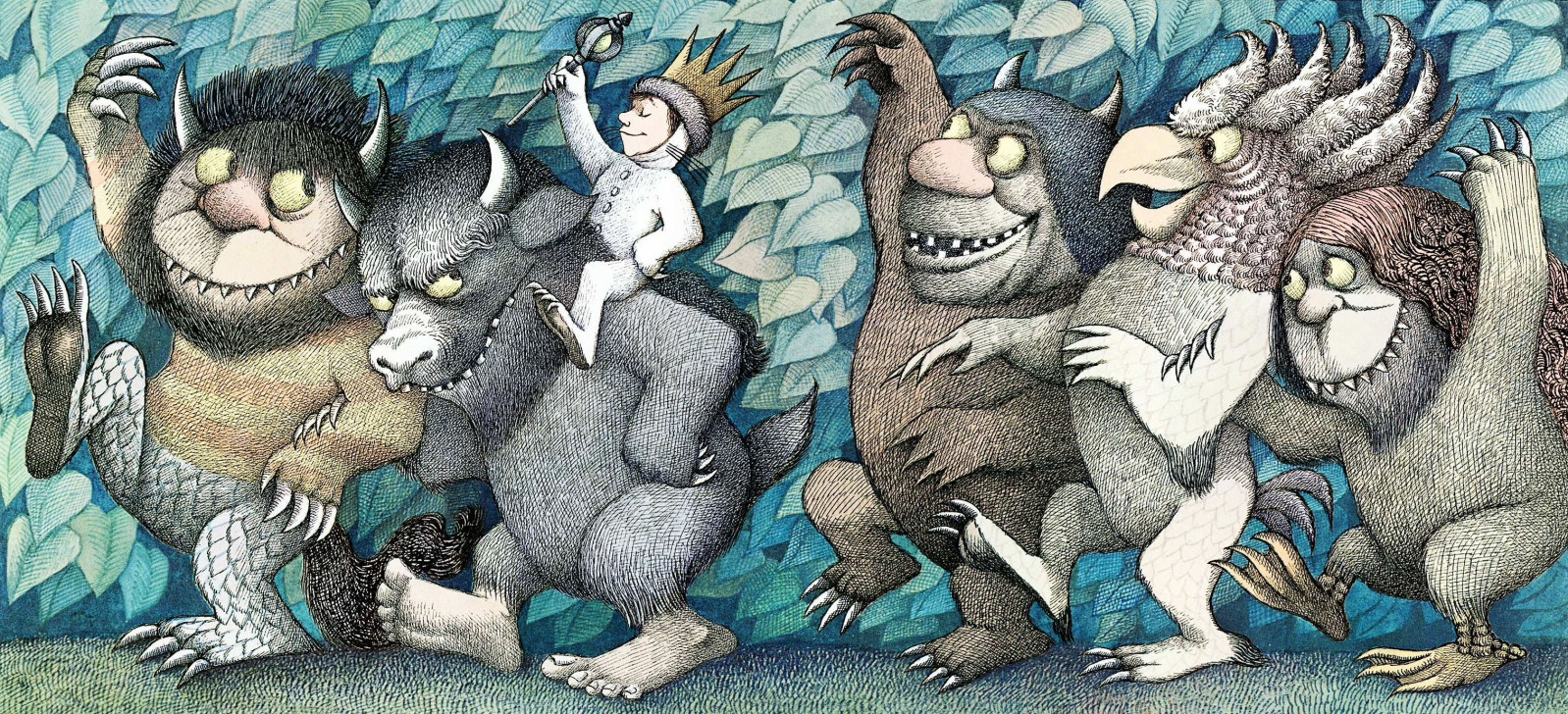
As you can see, I enjoyed picking illustrations for this post as much as I did writing it, and the book gave full credit to the illustrators whose artistry helped to hardwire those stories into our collective unconscious.
An enthusiastic thumbs up for this marvelous, insightful, book. Handy makes a convincing case that the best children's books are as important, meaningful, creative, and inspired as the best non-children's books...and always worth rereading.

